What is autism?
Autism is a neurodevelopmental condition or difference. Autistic people can experience communication, sensory information, relationships and routines in varied ways.
UNDERSTANDING · ACCEPTANCE · INCLUSION
Autistic people have different experiences, abilities and support needs. Our awareness work starts with respect, practical knowledge and listening.
Start learning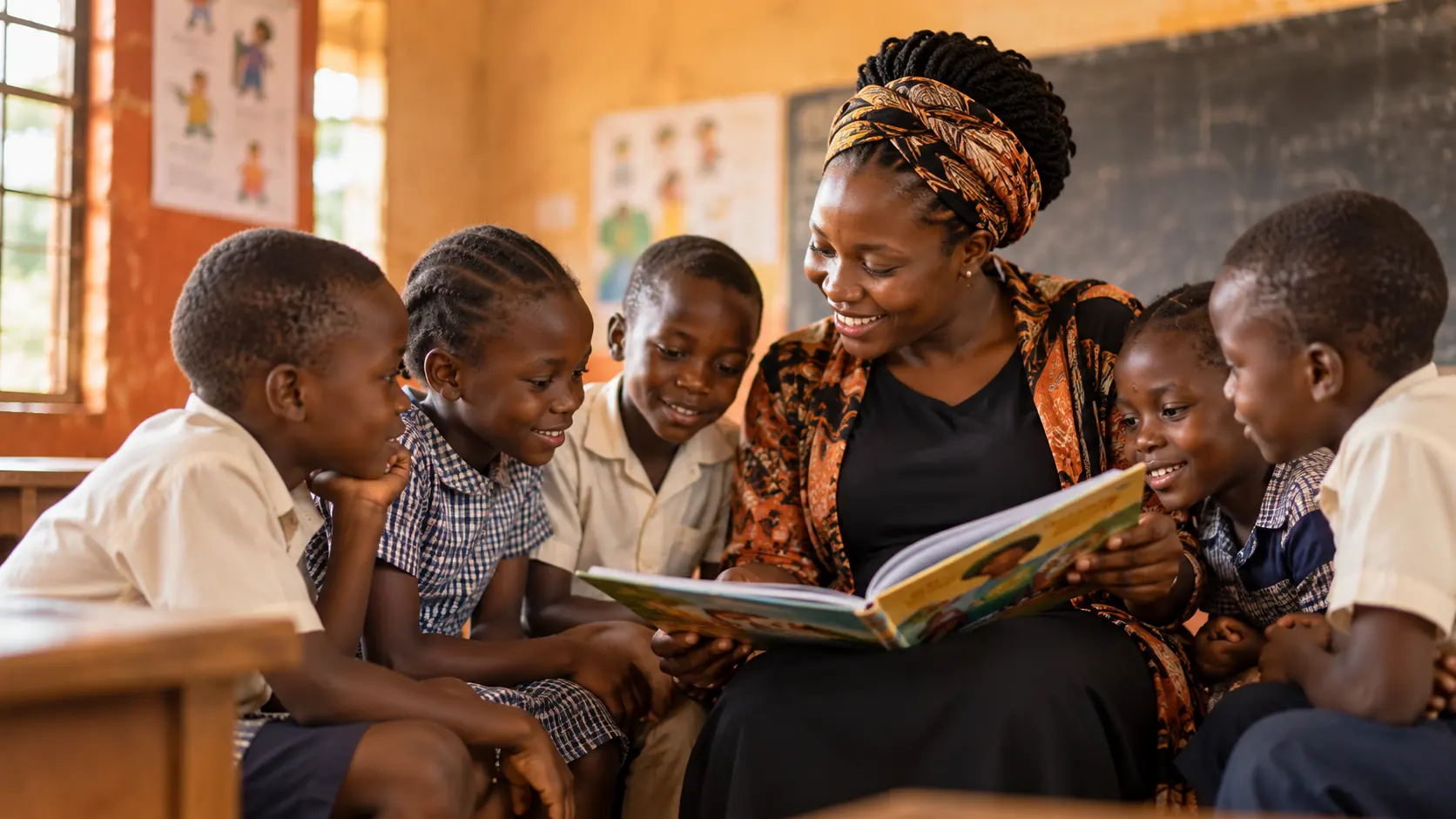
AN OPEN CONVERSATION
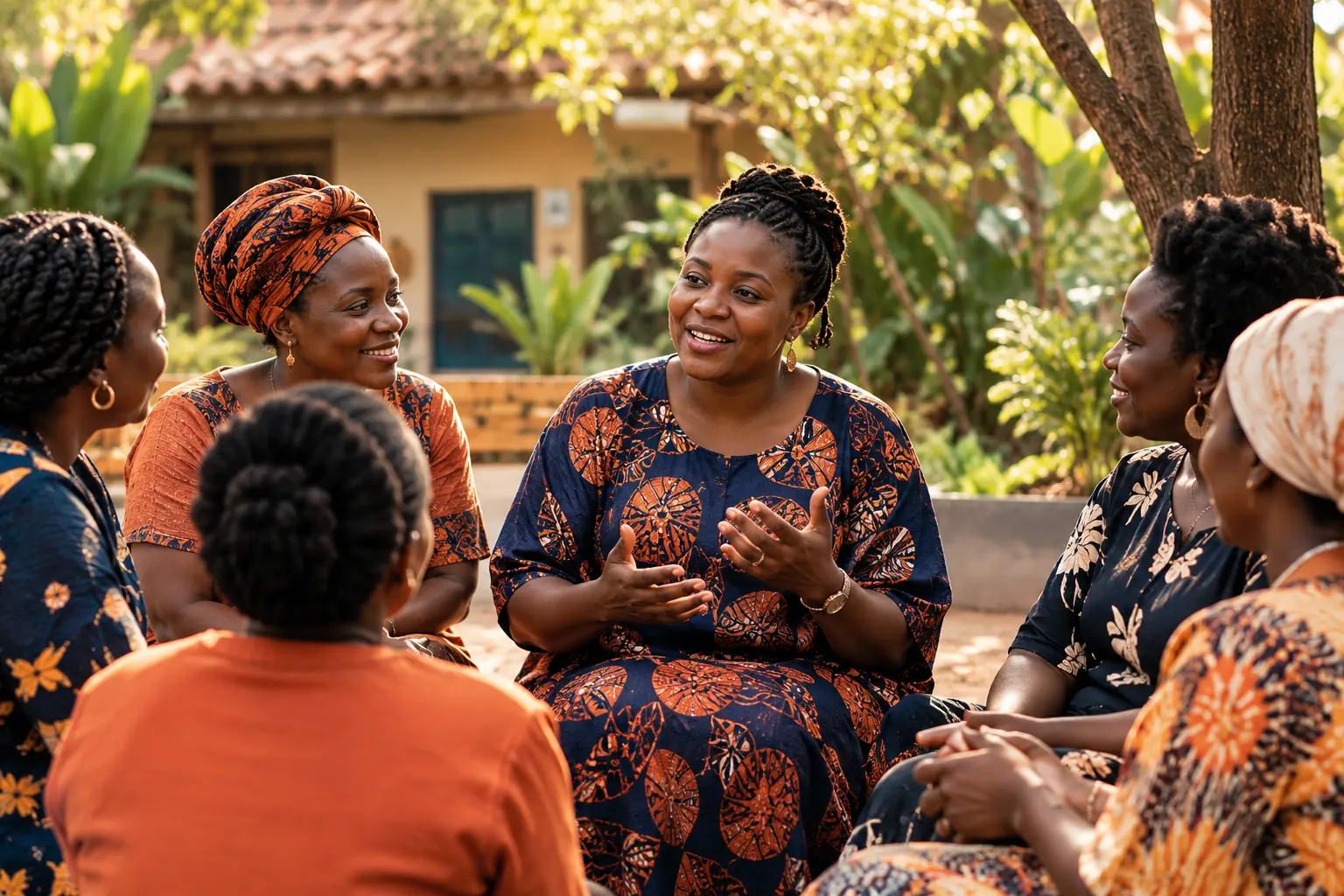
Autism is a neurodevelopmental condition or difference. There is no single autistic experience, so information and support should respect the individual rather than rely on stereotypes.
KNOWLEDGE THAT MAKES ROOM
Autism is a neurodevelopmental condition or difference. Autistic people can experience communication, sensory information, relationships and routines in varied ways.
No single list of traits describes every autistic person. Strengths, preferences and support needs differ across individuals and may change across contexts.
Clear communication, flexible teaching approaches and attention to sensory needs can help families, schools and community groups become more welcoming.
If you have questions about a child’s development, speak with a qualified health professional. Online information cannot diagnose autism or replace individual assessment.
MYTHS & REALITIES
False. Autism is not caused by parenting style.
False. Support should be individualised and guided by the person’s circumstances.
Awareness is only a start. Acceptance, accessible support and practical inclusion matter too.
CONTINUE THE CONVERSATION
Learn how to contribute to respectful awareness and community engagement.
Get involved